Introduction to Supply Chain Optimization
Supply chain optimization is the practice of maximizing efficiency and minimizing cost across the entire supply chain, from raw material sourcing through manufacturing to final delivery to customers. In today global economy, supply chains span multiple countries, involve numerous partners, and must navigate complex regulatory environments. Odoo provides an integrated supply chain management platform that connects procurement, inventory, manufacturing, warehousing, and logistics into a unified system. This integration provides end-to-end visibility and control, enabling organizations to optimize supply chain performance while maintaining service levels and controlling costs. For international businesses, Odoo supply chain capabilities support multi-currency procurement, cross-border logistics, and compliance with import/export regulations.
Demand Planning and Forecasting
Accurate demand planning is the foundation of supply chain optimization. Demand planning accuracy directly impacts inventory levels, production schedules, and customer service levels. Inaccurate demand forecasts lead to either excess inventory, which increases carrying costs and risk of obsolescence, or stockouts, which result in lost sales and customer dissatisfaction. Modern demand planning combines statistical forecasting methods with machine learning algorithms that can identify patterns in historical data and incorporate external signals such as market trends, promotional activities, and economic indicators. Collaborative demand planning that incorporates input from sales, marketing, and operations teams improves forecast accuracy by combining quantitative analysis with qualitative market knowledge. Sales teams provide insights into customer demand patterns and pipeline opportunities. Marketing teams contribute knowledge of planned promotions and campaigns. Operations teams provide input on capacity constraints and lead time changes. Regular demand planning reviews bring these perspectives together to create consensus forecasts that balance different viewpoints and improve forecast accuracy. Demand sensing techniques use real-time data from point-of-sale systems, e-commerce platforms, and social media to detect demand shifts before they appear in historical data. Machine learning algorithms can incorporate hundreds of demand drivers to improve forecast accuracy. Forecast accuracy measurement and continuous improvement processes ensure that forecasting capabilities improve over time. Key forecast accuracy metrics include Mean Absolute Percentage Error (MAPE), Weighted Absolute Percentage Error (WAPE), and forecast bias. Regular review of forecast accuracy by product, customer, and channel identifies specific areas where forecasting can be improved. Machine learning models can be retrained periodically with new data to maintain and improve forecast accuracy as market conditions change. Ensemble forecasting methods that combine multiple forecasting approaches can improve accuracy by reducing the impact of individual model weaknesses. Regular forecast review meetings bring together stakeholders from across the organization to validate forecasts and incorporate qualitative adjustments based on market intelligence. Inaccurate demand forecasts lead to either excess inventory (increasing costs) or stockouts (losing sales and customer trust). Modern demand planning combines statistical forecasting methods with machine learning algorithms that can identify patterns in historical data and incorporate external signals such as market trends, promotional activities, and economic indicators. Odoo demand planning capabilities include historical sales analysis, demand forecasting algorithms, and demand sensing from point-of-sale and e-commerce data. Statistical forecasting methods available in Odoo include moving averages, exponential smoothing, and trend analysis. For products with seasonal patterns, seasonal adjustment factors improve forecast accuracy. Demand planning integrates with Master Production Scheduling (MPS) and Materials Requirements Planning (MRP) to drive procurement and production decisions. Machine learning enhancements can improve forecast accuracy over time by learning from historical patterns.
Procurement and Purchasing
Effective procurement ensures that materials and services are acquired at the right time, in the right quantities, and at the right cost. Strategic procurement goes beyond transactional purchasing to include supplier relationship management, total cost of ownership analysis, and supply chain risk management. Odoo Purchase module supports the complete procurement lifecycle with tools for purchase requisition, supplier selection, order management, and performance tracking. Odoo Purchase module supports the complete procurement lifecycle from purchase requisition through supplier selection, purchase order management, goods receipt, and invoice processing. Supplier management features include supplier evaluation, price list management, and supplier performance tracking. Purchase automation rules can trigger automatic purchase orders based on reordering rules, demand forecasts, or inventory levels. For international procurement, Odoo handles multi-currency purchasing, import duties, and compliance with import regulations.
Inventory Management Optimization
Inventory optimization balances the cost of holding inventory against the risk of stockouts. Odoo Inventory module provides tools for inventory classification (ABC analysis), safety stock calculation, reorder point management, and demand-driven replenishment. Advanced inventory features include lot tracking, serial number management, expiration date tracking, and consignment inventory management. Warehouse optimization includes putaway rules, removal strategies (FIFO, LIFO, FEFO), and wave picking for efficient order fulfillment. Multi-warehouse management enables inventory allocation across locations based on proximity to customers, warehouse capacity, or cost considerations.
Warehouse Operations and Layout
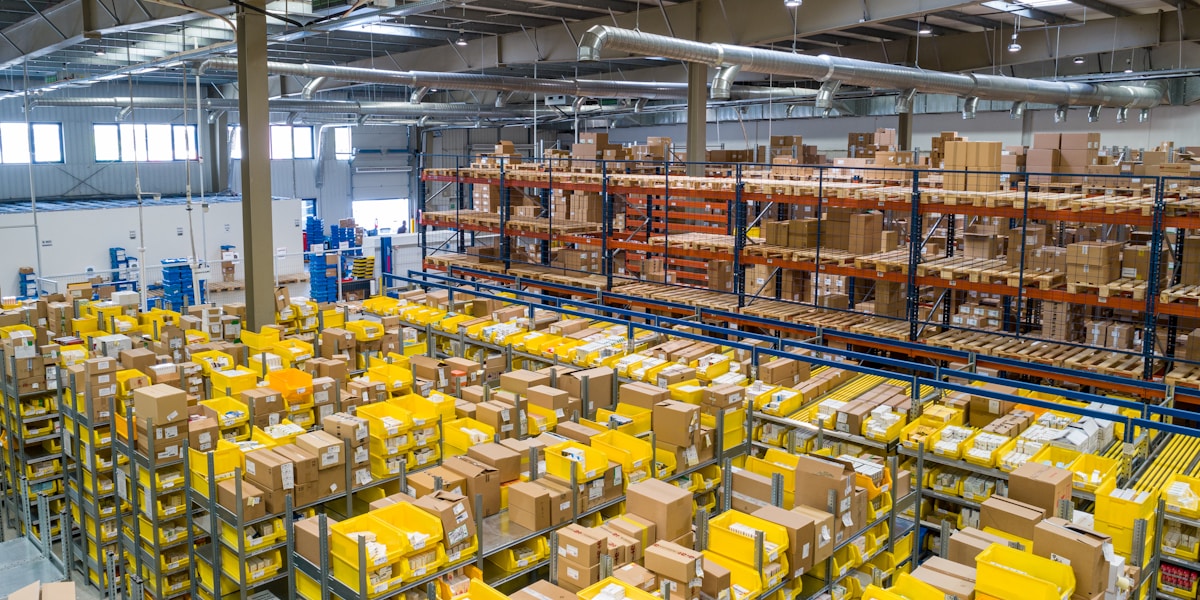
Efficient warehouse operations are critical for supply chain performance. Odoo warehouse management supports configurable warehouse layouts with zones, aisles, racks, and bins. Warehouse operations include receiving, putaway, picking, packing, and shipping. Barcode scanning streamlines warehouse operations by enabling fast, accurate data capture. For warehouses with high throughput, Odoo supports wave picking, batch picking, and zone picking strategies. Warehouse dashboard provides real-time visibility into operation status, including pending receipts, pending picks, and shipping queue. Integration with warehouse automation systems (conveyors, sorters, AGVs) can be implemented through Odoo API.
Manufacturing Resource Planning
Manufacturing Resource Planning (MRP) connects demand planning with production scheduling and material requirements. Odoo MRP module calculates material requirements based on production schedules, bill of materials, and current inventory levels. The system generates planned production orders and purchase orders to meet demand while maintaining optimal inventory levels. Capacity planning considers available production resources and constraints. For make-to-order environments, MRP triggers production based on actual customer orders rather than forecasts. For make-to-stock environments, MRP maintains inventory levels based on demand forecasts and safety stock requirements.
Supplier Relationship Management
Effective supplier relationships improve supply chain resilience and performance. Odoo supplier relationship management includes supplier evaluation and scoring, performance tracking (delivery time, quality, price), and collaborative planning features. Supplier portals enable suppliers to view purchase orders, confirm deliveries, and submit invoices electronically. For strategic suppliers, collaborative planning features support demand sharing, joint forecasting, and vendor-managed inventory (VMI) arrangements. Supplier risk assessment tools help identify and mitigate supply chain risks related to supplier financial stability, geographic concentration, or single-source dependencies.
Logistics and Shipping Management
Logistics management covers the movement of goods from suppliers through warehouses to customers. Odoo shipping management integrates with major carriers to provide rate comparison, label generation, and shipment tracking. Multi-modal shipping support handles road, rail, air, and ocean freight. For international shipping, Odoo manages customs documentation, HS code classification, and duty calculation. Route optimization algorithms can minimize transportation costs while meeting delivery time requirements. Real-time tracking provides visibility into shipment status and enables proactive communication with customers about delivery expectations.
Quality Control in Supply Chain
Quality control throughout the supply chain ensures that materials and products meet specified standards. Odoo quality module supports incoming quality control (inspection of received materials), in-process quality control (monitoring during manufacturing), and outgoing quality control (inspection before shipment). Quality control points can be configured at various stages of the supply chain, with configurable inspection criteria and acceptance thresholds. Non-conformance management tracks quality issues and drives corrective actions. Supplier quality data can be analyzed to identify suppliers with quality issues and drive supplier improvement programs.
Multi-Country Supply Chain Management
International supply chains face unique challenges including currency fluctuations, customs regulations, trade agreements, and transportation complexity. Odoo multi-country supply chain support includes multi-currency procurement and sales, customs documentation management, trade compliance tracking, and international shipping integration. For businesses operating in free trade zones, Odoo can track zone-specific inventory and compliance requirements. Harmonized System (HS) code management ensures correct duty classification for imports and exports. Integration with customs brokers and freight forwarders streamlines cross-border logistics.
Supply Chain Visibility and Analytics
Real-time supply chain visibility enables proactive management and rapid response to disruptions. Odoo supply chain analytics include inventory turnover analysis, supplier performance dashboards, order fulfillment metrics, and logistics cost analysis. Key performance indicators (KPIs) such as fill rate, order cycle time, inventory days of supply, and perfect order rate provide insights into supply chain performance. Custom dashboards can be configured for different roles, from procurement managers who need supplier performance visibility to logistics managers who need shipping performance metrics.
Sustainability and Circular Supply Chain
Sustainability is an increasingly important consideration in supply chain management. Odoo can support sustainability initiatives through carbon footprint tracking, sustainable sourcing management, and reverse logistics for product returns and recycling. For businesses with sustainability reporting requirements, Odoo can track and report on sustainability metrics such as carbon emissions, recycled material usage, and sustainable supplier percentages. Reverse logistics features manage product returns, refurbishment, and recycling, supporting circular economy business models.
Supply Chain Risk Management
Supply chain risk management identifies, assesses, and mitigates risks that could disrupt supply chain operations. Odoo supports risk management through supplier diversification tracking, inventory buffer management, and alternative sourcing capabilities. Risk assessment tools help evaluate supplier reliability, geographic risk, and demand volatility. Business continuity planning can be supported through Odoo by maintaining alternative supplier relationships, safety stock levels, and flexible production capabilities. Regular risk reviews and scenario planning help organizations prepare for potential disruptions.
Technology and Automation
Modern supply chain management leverages technology to improve efficiency and accuracy. Odoo integrates with supply chain technology including barcode and RFID systems, IoT sensors for real-time tracking, EDI (Electronic Data Interchange) for partner communication, and API-based integration with supply chain partners. Warehouse automation through Odoo API enables integration with automated storage and retrieval systems, conveyor systems, and robotic picking. Artificial intelligence and machine learning can enhance demand forecasting, route optimization, and inventory management.
Implementation Best Practices
Successful supply chain optimization with Odoo requires a structured implementation approach. Start with a thorough analysis of current supply chain processes and pain points. Define clear objectives and KPIs for the implementation. Implement in phases, starting with core capabilities and expanding based on demonstrated value. Invest in data quality, as supply chain optimization depends on accurate master data for products, suppliers, and bills of materials. Establish cross-functional teams that include procurement, logistics, manufacturing, and IT stakeholders. Conduct thorough testing with realistic data volumes and scenarios. Provide comprehensive training for all supply chain users.
Conclusion
Supply chain optimization with Odoo provides organizations with an integrated platform for managing the entire supply chain from procurement through delivery. By connecting demand planning, procurement, inventory, manufacturing, and logistics into a unified system, Odoo enables end-to-end visibility and control that drives efficiency, reduces costs, and improves customer service. For international businesses, Odoo multi-currency and multi-country capabilities provide the flexibility needed to manage complex global supply chains while maintaining compliance with local regulations.
Cold Chain and Temperature-Controlled Logistics
Temperature-controlled supply chains for perishable goods, pharmaceuticals, and biologics require specialized logistics management. Odoo inventory module can be configured to track temperature requirements, monitor cold chain compliance, and manage expiration dates. Temperature monitoring through IoT sensors can be integrated with Odoo to provide real-time visibility into temperature conditions throughout the supply chain. Cold chain compliance documentation is essential for regulatory requirements in pharmaceutical and food industries. Traceability features in Odoo enable tracking of temperature conditions from source to destination. For organizations managing cold chain logistics, proper configuration of temperature monitoring, alert systems, and compliance documentation is critical for product quality and regulatory compliance.
Blockchain for Supply Chain Transparency
Blockchain technology is emerging as a tool for improving supply chain transparency and traceability. Blockchain provides an immutable record of transactions that can be shared across supply chain participants, improving trust and reducing disputes. For supply chain applications, blockchain can track product provenance, verify authenticity, record quality certifications, and document chain of custody. While Odoo does not include built-in blockchain capabilities, its API architecture enables integration with blockchain platforms. Use cases for blockchain in supply chain include tracking luxury goods authenticity, verifying organic or fair-trade certifications, managing pharmaceutical supply chain compliance, and reducing counterfeiting risk. As blockchain technology matures, integration with ERP systems like Odoo will become more practical and cost-effective.
Reshoring and Nearshoring Trends
Recent global events have accelerated trends toward reshoring (bringing production back to the home country) and nearshoring (moving production to nearby countries). These trends have significant implications for supply chain management in Odoo. Reshoring and nearshoring require adjusting procurement sources, lead times, and logistics arrangements. Odoo multi-company and multi-warehouse capabilities support the transition by enabling management of both existing and new supply chain configurations during the transition period. Supplier diversification strategies can be implemented and tracked in Odoo to reduce dependency on single-source suppliers or regions. For organizations considering reshoring or nearshoring, Odoo provides the visibility and flexibility needed to evaluate options, manage the transition, and optimize the new supply chain configuration.
Supply Chain Control Towers
A supply chain control tower is a centralized hub that provides end-to-end visibility across the entire supply chain. Control towers aggregate data from multiple sources, including ERP systems, transportation management systems, warehouse management systems, and external data sources, to provide real-time visibility and decision support. Building a supply chain control tower with Odoo involves integrating data from multiple Odoo modules (procurement, inventory, manufacturing, logistics) with external data sources. Custom dashboards provide role-based visibility for supply chain managers, procurement specialists, and logistics coordinators. Exception-based management alerts decision-makers to supply chain disruptions that require intervention. Advanced analytics and machine learning can enhance control tower capabilities with predictive insights and optimization recommendations.
Supply Chain Finance and Working Capital
Supply chain finance programs optimize working capital by extending payment terms for buyers while providing early payment for suppliers. These programs are typically facilitated by financial institutions that provide funding based on the creditworthiness of the buyer rather than the supplier. Odoo financial modules can support supply chain finance by tracking payment terms, managing factoring arrangements, and reconciling supply chain finance transactions. Dynamic discounting, where buyers offer suppliers early payment in exchange for a discount, is another working capital optimization technique that can be managed through Odoo payment workflows. Effective supply chain finance improves cash flow for both buyers and suppliers, strengthening supply chain relationships.
Supply Chain Visibility Technologies
Supply chain visibility technologies provide real-time tracking and monitoring of goods as they move through the supply chain. Technologies include GPS tracking, RFID, barcode scanning, IoT sensors, and satellite communication. Integration between these technologies and Odoo provides real-time visibility into shipment status, location, and condition. For temperature-sensitive goods, IoT sensors can monitor temperature throughout transit and alert stakeholders if conditions deviate from requirements. For high-value goods, GPS tracking provides real-time location visibility and geofencing alerts. Supply chain visibility reduces uncertainty, enables proactive management of exceptions, and improves customer service through accurate delivery predictions.
Circular Economy and Supply Chain Design
The circular economy model designs supply chains to minimize waste and maximize the reuse, refurbishment, and recycling of materials and products. Implementing circular economy principles requires supply chain redesign to accommodate reverse logistics, product take-back, remanufacturing, and materials recovery. Odoo can support circular supply chain operations through reverse logistics management, product lifecycle tracking, and materials recovery workflows. For organizations adopting circular economy models, Odoo inventory management can track products through multiple lifecycle stages, from initial sale through return, refurbishment, and resale. Circular economy supply chains require close collaboration with customers, suppliers, and recycling partners to close the materials loop.